Anxiety Isn’t Just in Your Mind…
It Lives in Your Body
By Dan de Luis
We’ve been taught to treat anxiety like it’s a thinking problem.
Overthinking. Worrying. Spiralling thoughts.
So what do we do?
We try to think our way out of it.
But here’s the truth…
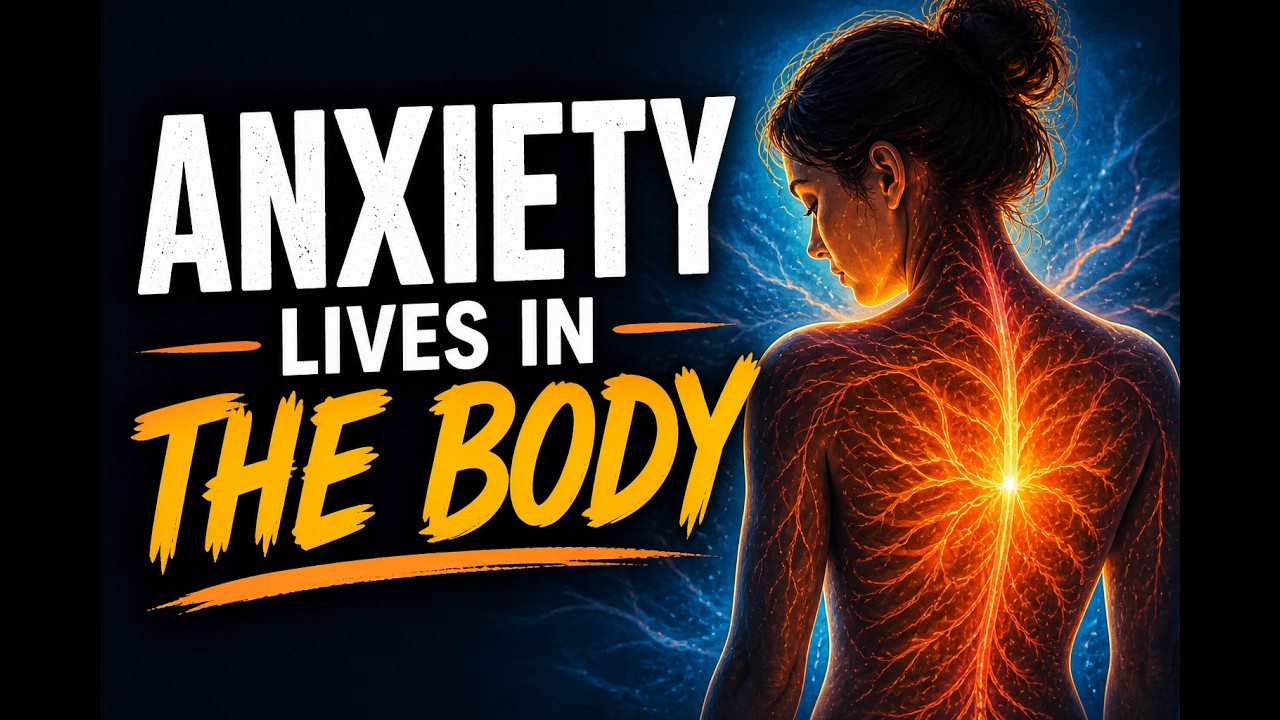
Anxiety isn’t just something you think. It’s something you feel in your body.
Where Anxiety Actually Lives
You’ve felt it before.
Tight chest. Knot in your stomach. Jaw clenched. Shoulders up to your ears. Breathing shallow without even realizing it.
That’s not in your head.
That’s your body.
Modern research refers to this as somatic anxiety, the physical experience of stress stored in the body.
And neuroscience is finally catching up to what ancient practices have known for centuries:
Your body holds the pattern of your stress.
When your nervous system detects pressure, threat, or overwhelm, it doesn’t just create a thought, it creates a state:
- Muscles tighten
- Breath shortens
- Heart rate increases
- Digestion slows
- The body prepares for survival
If that stress isn’t fully processed, it doesn’t just disappear.
It stays in your body, showing up as tension, fatigue, restlessness, or chronic anxiety.
Why Talking About Anxiety Isn’t Always Enough
You can understand your anxiety logically.
“I’m safe.” “It’s over.” “It’s just stress.”
But your body?
It might still feel like something’s wrong.
That’s because your mind and your nervous system don’t always speak the same language.
You can know you’re okay and still feel anxious.
That’s why so many people searching for how to relieve anxiety feel stuck.
They’re trying to fix a body problem with a thinking solution.
The Body Remembers What the Mind Tries to Forget
There’s a growing field called somatic therapy for anxiety, built on one powerful truth:
Stress and emotions are stored in the body, not just the mind.
When the body doesn’t get a chance to release that stress, it holds onto it.
That can show up as:
- Chronic tightness and pain
- Shallow breathing patterns
- Fatigue and burnout
- Tension headaches
- A constant feeling of being “on edge”
Not because something is broken, but because your nervous system is stuck in a stress response.
How to Release Anxiety from the Body
Here’s the shift most people need to make:
You don’t release anxiety by thinking differently.
You release anxiety by changing your state.
And the fastest way to regulate your nervous system?
Movement + Breathwork
Movement for Anxiety Relief
Intentional movement helps:
- Discharge stored stress energy
- Reset the nervous system
- Release muscle tension
- Restore a sense of safety in the body
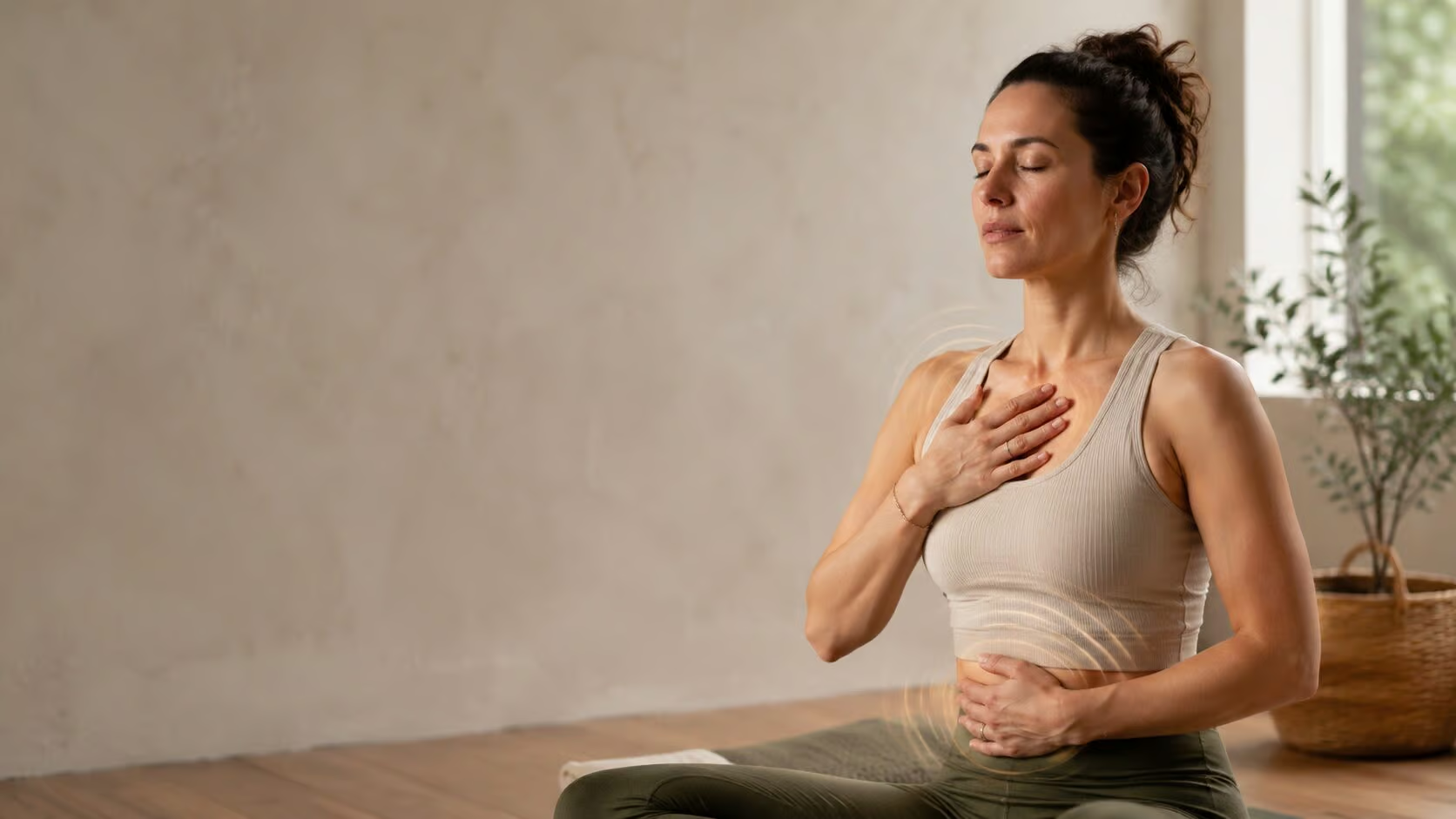
Breathwork for Anxiety
Your breath is the most powerful tool you have to calm anxiety.
Breathwork has been shown to:
- Reduce anxiety symptoms
- Improve emotional regulation
- Release stuck emotions and trauma from the body
- Activate the parasympathetic, or calm, nervous system
- Bring the body out of fight or flight
When you combine movement and breathwork, you unlock what’s been stuck.
Why You Feel Better After Movement or Breathwork
Think about it:
- After a deep breath session
- After a workout
- After yoga
- After a long walk
You feel different.
Not because you “thought better.”
But because you changed your physiology.
You released what your body was holding.
The Truth About Anxiety
Anxiety isn’t your enemy.
It’s your body asking for regulation.
It’s a signal, not a problem.
And when you learn how to work with your body instead of against it…
everything changes.
Final Thought
You don’t think your way out of anxiety.
You breathe and move your way through it.
And on the other side of that?
A body that finally feels safe again.